

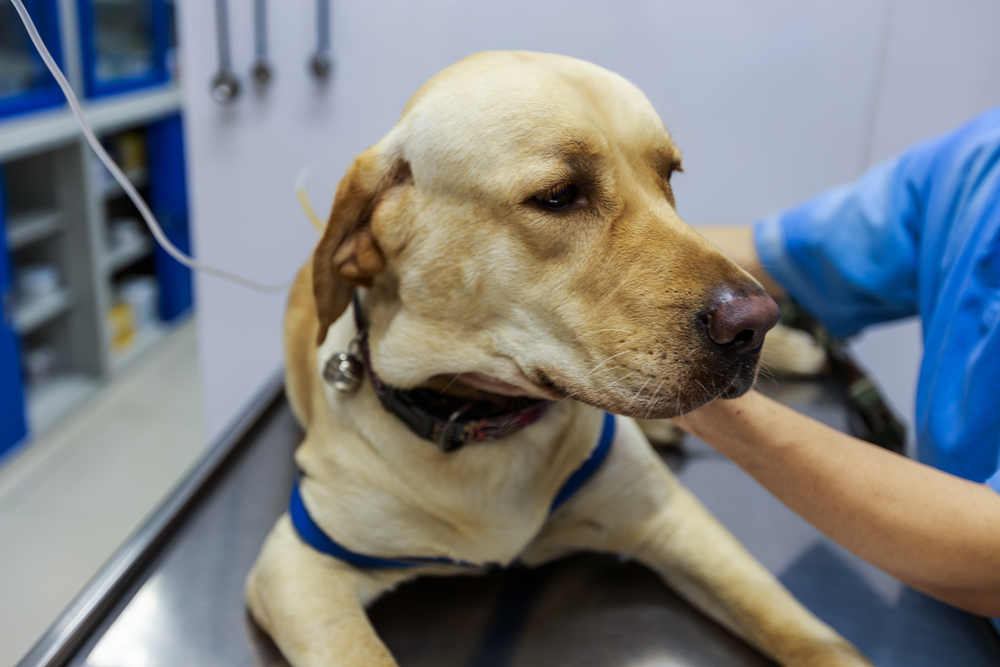
Last year’s normal results are exactly why this year’s senior screening is worth repeating: a single result is a snapshot, while a series builds the trendline that catches disease before symptoms do. Normal is a wide range, and a value can drift steadily toward trouble for years without ever stepping outside it. A kidney value creeping upward, a thyroid level sliding annually, blood pressure inching higher, or a heart silhouette slowly changing on X-rays can each look fine in isolation and tell a very different story as a pattern. That is why screening becomes a habit worth keeping once a dog hits the seven-year mark or a cat reaches double digits, because every visit makes the next one more useful.
One lab report tells us how your pet is doing today, but a series tells us where your pet is headed, and that second kind of knowledge is what we build senior care around at Commonwealth Animal Care. Our in-house lab runs the CBC, chemistry panel, and urinalysis on site, and we pair that bloodwork with X-rays of the chest and belly during senior wellness visits in Lexington so each year’s numbers sit right next to the last. Your pet means everything to you, so those trendlines mean everything to us, and we walk you through what every shift means for the years ahead. Request an appointment and we will start building your pet’s baseline.
Why Normal Results Are Worth Repeating
- A single lab result is a snapshot, but a series of them builds the trendline that catches disease while your pet still looks and acts healthy.
- Dogs are generally considered seniors around age seven, while cats reach that stage closer to ten, and that milestone is the cue to add screening to the routine.
- Senior screening pairs bloodwork, a urine test, and blood pressure readings imaging so quiet problems in the kidneys, thyroid, heart, and liver surface early.
- Most conditions we find this way are far easier to manage when we catch them before symptoms start.
Why Isn’t a Yearly Checkup Enough to Keep a Senior Pet Healthy?
A standard exam tells us how your pet looks and feels on the outside, but plenty of senior disease hides on the inside where hands and a stethoscope can’t reach. Twice-yearly visits with targeted screening let us track internal numbers over time, so a slow drift toward trouble shows up long before your pet ever acts sick.
A year is a long stretch in a senior’s life, closer to five or six of ours, which is why we move to twice-yearly wellness visits once a dog reaches seven or a cat turns ten. Preventive testing at each of those visits is what turns a checkup into a data point.
A comprehensive senior screening isn’t one fixed panel, either. We weigh your pet’s age, breed, history, and how they’re doing at home, then choose the tests that tell us the most.
What Can a Senior Blood Panel Catch Before Your Pet Acts Sick?
Bloodwork gives us an internal snapshot of organs and systems that look fine from the outside, often flagging problems months before your pet shows a single symptom. Here’s what each piece of a senior blood panel is looking at.
| Blood test | What it measures | What it can flag |
| CBC | Red cells, white cells, and platelets | Anemia, infection, inflammation, and clotting problems |
| Chemistry panel | Organ enzymes, proteins, electrolytes, and blood sugar | Kidney, liver, and pancreatic disease, plus diabetes |
| Thyroid testing | Circulating thyroid hormone | An underactive thyroid in dogs and an overactive one in cats |
| Heartworm and tick-borne | Parasite antigens and antibodies | Heartworm, Lyme, Ehrlichia, and Anaplasma exposure |
Why Does Blood Pressure Matter for an Older Dog or Cat?
Blood pressure matters for seniors because high readings can wreck organs while your pet still seems perfectly fine at home. Hypertension strains the eyes, kidneys, heart, and brain, and it often rides alongside kidney disease and an overactive thyroid.
Checking pressure in a dog or cat works much like it does for us: a small inflatable cuff on a leg or the tail, plus a quiet moment to keep the readings honest. When numbers run high, we look for an underlying driver, treat it, and often add a daily medication such as amlodipine to bring pressure back into a safe range. A recheck confirms it’s holding.
What Does a Urine Sample Reveal That Bloodwork Can Miss?
A urine sample fills in blanks that blood tests leave open, especially around the kidneys and bladder. A urinalysis reads the concentration, protein, sugar, and cells in a single sample to flag early kidney decline, hidden infections, diabetes, and bladder disease.
The real value is in reading the two together. Dilute urine sitting next to rising kidney values tells a clearer story than either result alone, and it helps us separate early kidney disease from simple dehydration, or a bladder infection from diabetes.
How Do We Check a Senior Heart That Still Sounds Fine?
Even a heart that sounds perfectly normal through the stethoscope can be developing disease, because murmurs and outward symptoms often show up late. A handful of noninvasive tests can check the heart directly, each looking at a different part of how it works.
- Chest X-rays: A radiograph shows the heart’s size and silhouette and whether fluid is backing up into the lungs, usually the first imaging step in any heart workup.
- Echocardiogram: An echocardiogram uses ultrasound to watch the heart muscle contract and the valves open and close in real time. When a screening finding warrants one, we’ll help you arrange it.
- NT-proBNP blood test: A simple blood sample can measure NT-proBNP, a marker the heart releases when its muscle is stretched or strained, which helps sort a harmless murmur from one worth chasing.
- ECG: An electrocardiogram traces the heart’s electrical rhythm and pins down the cause of a pulse that runs too fast, too slow, or out of step.
When Does a Senior Pet Need X-Rays or an Ultrasound?
Imaging joins the screening picture when we want to see structures that bloodwork can only hint at. X-rays and ultrasound answer different questions: where a radiograph gives us the outline, an ultrasound lets us look inside soft-tissue organs in real time.
| Imaging tool | Strongest at | Common senior findings |
| Digital X-ray | A fast overview of bones and organ sizes in one shot | An enlarged heart, fluid in the lungs, worn joints, bladder stones, or a mass |
| Ultrasound | Real-time detail inside soft-tissue organs | Changes in the liver, kidneys, spleen, or bladder wall |
Ultrasound also lets us measure blood flow and guide a fine needle to sample a suspicious spot without surgery, which turns a worrying shadow on an X-ray into an actual answer.
Which Conditions Is Senior Screening Actually Looking For?
Senior screening isn’t a fishing expedition; it targets the conditions that grow common with age, and most show up first as a number on a panel, a shadow on an image, or a subtle change we can measure. Here are the ones we watch most closely.
Hypothyroidism: When a Dog’s Thyroid Slows Down
Hypothyroidism slows a dog’s metabolism to a crawl, and its hallmarks of weight gain, low energy, and a thinning coat look so much like ordinary aging that it routinely goes unnoticed until a blood test names it. The fix is simple: a daily thyroid hormone pill, adjusted to a recheck level, usually brings back the energy and the coat within a couple of months.
Hyperthyroidism: When a Cat’s Thyroid Speeds Up
Hyperthyroidism sends an older cat’s metabolism into overdrive, burning through weight despite a ravenous appetite while quietly overworking the heart and kidneys, and it responds well to medication, a prescription diet, or radioiodine therapy. Watch for weight loss, a big appetite, restlessness, a scruffy coat, or increased thirst in any cat past age ten.
Chronic Kidney Disease
Chronic kidney disease is one of the most common conditions of old age, and because a pet can lose most of their kidney function before ever drinking more or dropping weight, screening is often the only thing that catches it in time. When we find it early, our veterinarians can slow its progress with diet changes, fluids, and medications that protect the remaining function and keep your pet feeling good for years.
Heart Disease by Breed and Species
The most common heart problems shift by species and size:
- Small-breed dogs tend toward mitral valve disease, where a worn valve begins to leak
- Larger breeds lean toward dilated cardiomyopathy, where the muscle weakens and stretches
- Cats most often develop hypertrophic cardiomyopathy, a thickening of the heart walls
Coughing, tiring quickly, or faster breathing at rest are the signs to note. The good news is that caught early, most of these are very manageable with medication.
Cancer
The types of cancer in pets grow more likely with every passing year, and catching a tumor while it’s still small and local is what most often separates a manageable diagnosis from a devastating one. Warning signs include a new or changing lump, unexplained weight loss, or a sore that won’t heal, and when we find a mass we can often sample it with a fine needle and examine the cells with cytology. Some breeds carry higher risk, from lymphoma to hemangiosarcoma and osteosarcoma, which is one more reason breed history helps shape each screening plan.
Liver Disease
Liver disease frequently turns up on a routine chemistry panel as elevated enzymes months before a pet loses their appetite, sheds weight, or develops the yellow-tinged gums of advanced disease. Depending on the cause, we manage it with diet, supportive medications, and sometimes an ultrasound-guided sample to pin down what’s going on.
Arthritis and Joint Pain
Sore joints are easy to write off as “just getting old,” but arthritis is genuinely painful and very treatable in both dogs and cats. We diagnose it with a hands-on exam and X-rays of the affected joints, then build relief from several angles: weight management, joint supplements, and modern pain control. Librela is a once-monthly injection that blocks the nerve signal driving arthritis pain in dogs, offering steady relief for seniors who can no longer tolerate daily pills or long-term anti-inflammatories, and cats have their own matching monthly option called Solensia. If your senior is slowing down on the stairs or stiff after a nap, reach out and we’ll map out a comfortable plan.
Dental Disease
That funky breath from an older pet is rarely just “dog breath”; it usually points to infection working below the gumline. By the senior years most pets carry some degree of periodontal disease, and because those mouth bacteria seed the bloodstream, dental care protects the heart, liver, and kidneys every bit as much as it protects the teeth. The gold standard is a professional dental cleaning under anesthesia, where we scale beneath the gumline and examine every tooth while your pet is comfortable. At home, watch for bad breath, drooling, or chewing on one side, and brushing or dental chews between visits slows the buildup.
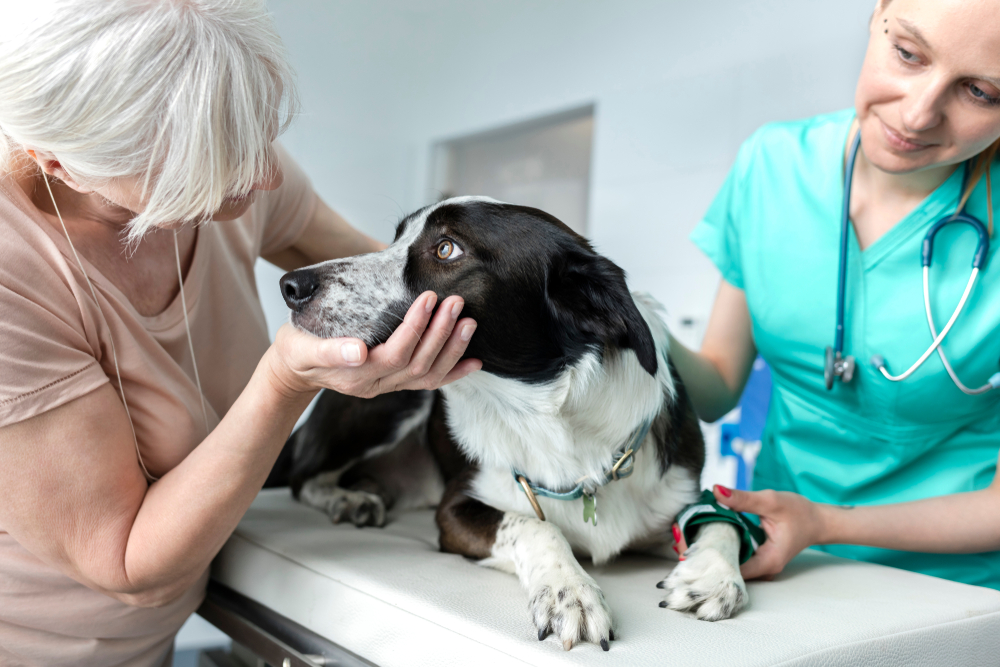
Senior Screening Questions Pet Families Ask Us Most
How often does my senior pet really need screening?
For most healthy seniors, we recommend a screening panel once or twice a year and a physical exam every six months, since a lot can change in a pet’s body over twelve months. Pets already managing a condition like kidney disease or a thyroid issue often need rechecks more often, so we can see how treatment is working and adjust it.
My pet seems totally healthy. Is screening worth it?
This is exactly when screening pays off most, because a pet who still looks and acts fine is a pet with the most options in front of them. Kidney disease, high blood pressure, and many cancers stay invisible until real damage is done. And a normal panel is never wasted, either: it becomes the baseline that makes next year’s numbers far easier to read.
Does senior screening mean my pet has to be sedated?
For routine screening, no sedation is needed. A blood draw, urine sample, blood pressure reading, and exam are all done while your pet is awake, usually in just a few minutes with gentle handling. Sedation or anesthesia only comes up for specific procedures, like a dental cleaning or certain detailed images, and when it does we run pre-anesthetic bloodwork first to make sure it’s safe. We’ll always talk you through what a given test involves beforehand.
Building Your Senior Pet’s Baseline, Together
The best senior care is uneventful: a steady set of numbers, tracked year over year, with small adjustments made early instead of big rescues made late. You don’t have to catch every subtle change on your own, because that’s what these visits are for.
Schedule a senior screening at Commonwealth Animal Care in Lexington and we’ll start building the baseline that makes every future visit sharper. Have a question before then, or noticed something you want checked? Get in touch and we’ll help you figure out the right next step.




Leave A Comment