

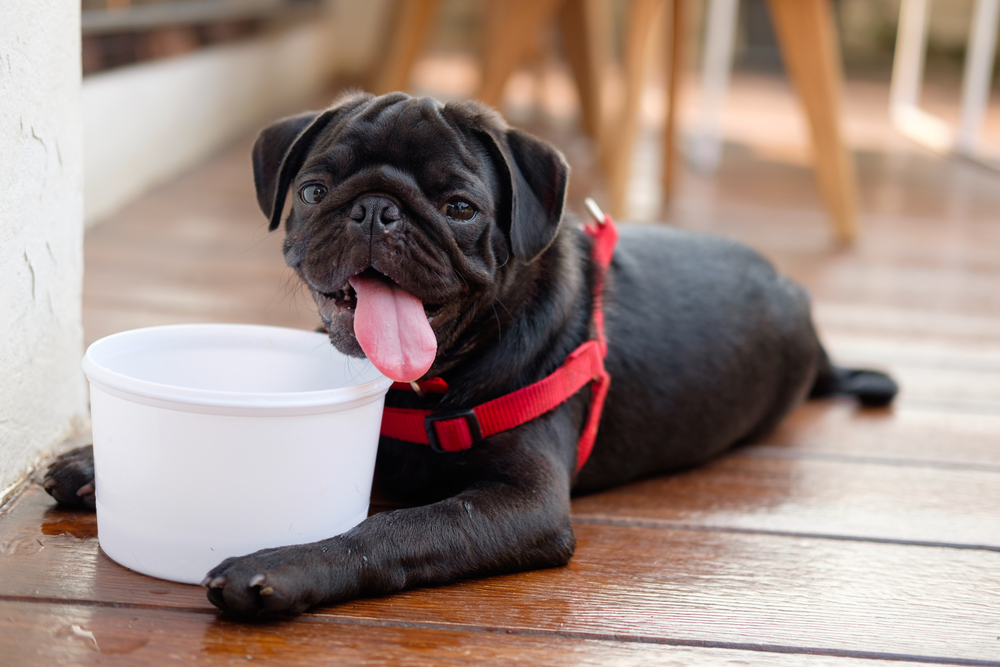
Summer heat turns deadly for pets faster than most families expect, and internal organ damage continues unfolding even after the surface temperature drops. Dogs and cats shed heat mainly through panting and paw pads, and that cooling system fails quickly when humid weather hits the 90s, particularly for flat-faced breeds, heavy-coated pets, overweight animals, puppies, kittens, and seniors. Once core temperature crosses 106 degrees Fahrenheit, the gut lining starts breaking down, the kidneys and liver take hits, and blood loses the ability to clot normally. Warning signs include panting that will not slow, bright red or muddy-colored gums, thick drool or vomiting, wobbly walking, and collapse; cats breathing open-mouthed is almost always an emergency. If you spot those signs, pour cool (not cold) water over the chest, groin, and footpads, then drive to veterinary care fast, because the next few hours decide the outcome.
Commonwealth Animal Care in Lexington takes summer heat seriously, and a pre-season wellness visit is a smart move for any dog or cat. Our team runs in-house diagnostics to check baseline kidney, liver, and thyroid numbers, so if heat ever does hit, your veterinary team has something real to compare against. Drop us a line to talk through which pets under your roof face the highest risk, particularly seniors, flat-faced pets, and animals already on certain medications. For a pet who is overheating right now, skip the appointment line and drive straight to the nearest 24-hour veterinary emergency hospital.
The Heat Stroke Basics Every Lexington Pet Family Should Know
- Heat stroke is a true emergency, and the damage to a pet’s organs can keep unfolding for hours even after the body feels cooler to the touch.
- At home, cool water on the paws, belly, and armpits plus airflow buys time, but ice, ice baths, and wet towels draped over the body can do more harm than good.
- Flat-faced breeds, heavy-coated dogs and cats, overweight pets, puppies, kittens, and seniors overheat the fastest and need the most careful summer planning.
- A pet who seems to bounce back after cooling still needs veterinary monitoring, because kidney, liver, and clotting problems can show up one to three days later.
Which Pets Are Most Likely to Overheat in the First Place?
Flat-faced breeds like bulldogs, pugs, boxers, and Persian cats overheat fastest, along with thick-coated dogs, puppies, kittens, seniors, overweight pets, and any pet with heart or breathing conditions. Every pet handles heat worse than we do because they can barely sweat, and these traits stack the odds even higher on a humid Lexington afternoon.
Here’s why: Dogs and cats rely on panting to move hot air out and cooler air in, with only a little heat loss through the sweat glands in their paw pads. When it is humid, that system simply cannot keep up, and core temperature climbs quickly toward the danger zone. Panting only works with an open, efficient airway, which is exactly what a flat-faced breed does not have. Carrying extra weight makes shedding heat even harder.
| Risk factor | Why it matters |
| Flat-faced (brachycephalic) build | Narrow nostrils and a crowded airway make panting far less effective, so bulldogs, pugs, boxers, and Persian cats overheat fast. |
| Thick or dark coat | Heavy double coats trap warmth, and cold-loving breeds like huskies struggle in Kentucky humidity. |
| Age extremes | Puppies, kittens, and seniors regulate temperature poorly and tire before they cool down. |
| Body condition | Extra weight acts like insulation and adds strain to the heart and lungs during heat. |
| Underlying health | Heart disease, breathing conditions, and certain medications all lower a pet’s heat tolerance. |
Because every pet’s risk is different, the smartest plans are tailored to the individual. Lifestyle-appropriate wellness care is where we talk through your specific dog or cat, factor in breed and body condition, and build a summer plan that fits your household. If a few of these boxes describe your pet, schedule a checkup before the hottest weeks arrive rather than during them.
When Does Heavy Panting Cross the Line Into an Emergency?
The early signs of heatstroke in pets are panting that is heavy and will not settle, drooling, weakness, or gum color changes. Heat stroke announces itself in stages, and catching it early makes all the difference. The trick is knowing which tier you are looking at, because a pet can slide from mild to severe within minutes. Collapse, vomiting, and gums that turn dark red or bluish mean the situation has become life-threatening.
| Stage | What you might see |
| Early / mild | Heavy, fast panting that will not settle, drooling more than usual, seeking shade, general restlessness. |
| Moderate | Bright red gums and tongue, thick sticky saliva, weakness, glazed eyes, an unsteady or drunken-looking walk. |
| Severe / emergency | Vomiting or diarrhea, dark red, purple, or bluish gums, disorientation, collapse, seizures, unresponsiveness. |
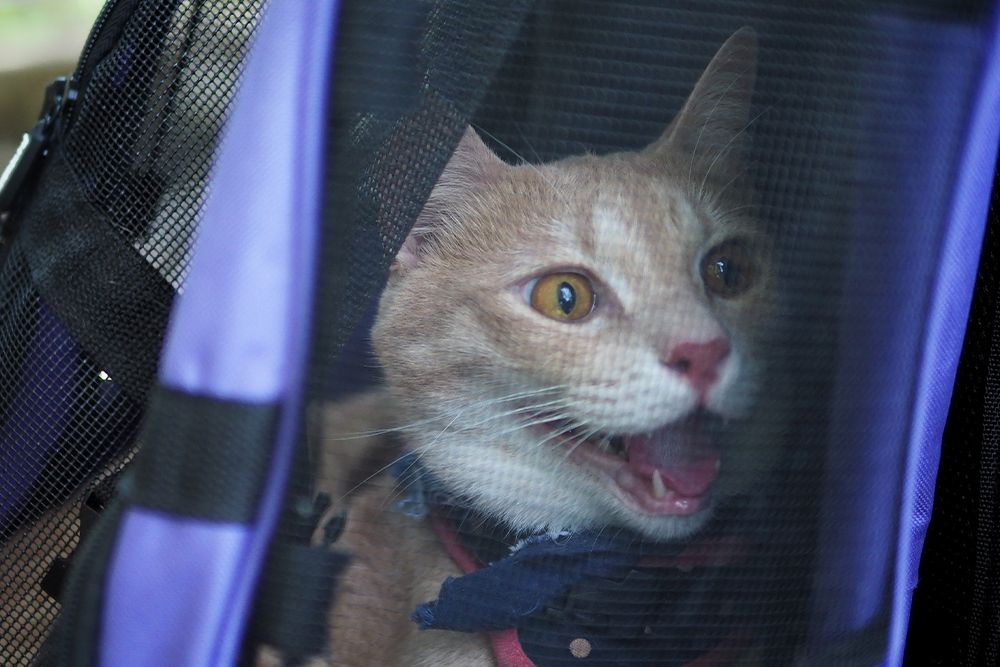
Gum color is one of the easiest things to check at home. Healthy gums are bubblegum pink; brick-red gums signal a pet running dangerously hot, and pale, blue, or muddy gums point to a body in real trouble. For cats, open-mouth breathing deserves its own warning: a cat panting like a dog is almost always in distress and needs to be seen right away. If your pet reaches the moderate or severe column, stop watching and start cooling.
How Should You Spend the First Five Minutes When Your Pet Overheats?
Spend the first five minutes getting your pet out of the heat, offering small sips of cool water, and bringing their temperature down gently. The first move at home is cooling with cool tap water and airflow over the paws, belly, and armpits, not an ice bath or wet towels draped over the body, which can trap heat and cool too fast.
Gentle is the word to remember. Your first job is to lower your pet’s temperature safely while you get help on the way. Move them into shade or a cool, air-conditioned room, and start cooling the body without shocking it. Here is a calm, stepwise version to keep in your head:
- Get them out of the heat: Move to shade, a tiled floor, or an air-conditioned space right away.
- Offer water, do not force it: Let your pet drink small amounts of cool water on their own; never pour it down the throat.
- Wet the right spots: Run cool or tepid tap water over the paws, belly, and armpits where blood runs close to the surface.
- Add airflow: A fan or open car AC across damp fur speeds evaporation and pulls heat away.
- Skip the ice and the towels: Ice, ice baths, and anything left draped on the body can constrict vessels or trap heat and slow real cooling.
- Stop when they improve: Overcooling is a real risk, so ease off once your pet perks up and breathing steadies.
Cooling at home is a bridge, not a destination. Even a pet who looks much better after a few minutes of water and shade needs a vet’s eyes, because the internal picture can be very different from the outside one. For a pet showing any of the severe signs, drive straight to the nearest 24-hour veterinary emergency hospital, cooling in the car on the way.
What Happens Once Your Pet Reaches the Emergency Hospital?
Veterinary heat stroke care is built around bringing the temperature down safely, restoring lost fluids, and heading off the complications that follow. At an emergency hospital, heatstroke treatment works in three layers: controlled cooling, intravenous fluids to restore volume, and close management of the secondary complications that make the first 24 hours the most dangerous. Each layer does a specific job.
- Controlled cooling: The temperature is lowered in a measured way and stopped at a safe point, which is far more precise than anything possible with a garden hose at home.
- Volume replacement: Intravenous fluids restore blood pressure and circulation, protect the kidneys, and help flush the byproducts of overheated tissue.
- Managing complications: The team watches for and treats the fallout, from clotting problems to organ stress, often keeping the pet on monitoring and support.
The sobering part is the timeline. Heat stroke carries a high risk of death within the first 24 hours, which is why fast transport and hospital-level support matter so much. We run in-house bloodwork, digital x-ray, and ultrasound that help assess the damage during our regular hours, and for an active heat emergency or anything after hours, the fastest route to a 24-hour veterinary ER is always the right call.
The Dangerous Days After: Why Recovery Is Slower Than It Looks
Recovery is slower than it looks because the outside of your pet feels fine long before the inside is safe. Cooling the body treats the temperature, not the injury the heat already caused, and some of the most serious problems surface hours after a pet looks like they are back to normal. This is the part that catches families off guard.
Even a pet who perks up after cooling can face delayed organ damage to the kidneys, liver, heart, and gut in the 24 to 72 hours that follow, which is why monitoring matters when they seem stable. The overheated body can also tip into a whole-body reaction, sometimes called systemic inflammatory response syndrome, along with dehydration and dangerous shifts in the blood. One of the most feared aftereffects is disseminated intravascular coagulation, a clotting breakdown that can cause internal bleeding days after the heat event itself has passed.
All of that is the argument for follow-up even when your pet is home and wagging. Our in-house bloodwork and imaging let our team retest kidney and liver values, look for signs of clotting trouble, and catch a downturn early rather than late. If your pet has had any heat scare, a next-day recheck after the ER trip is cheap insurance against a problem that can stay hidden until it is serious.
What Everyday Habits Keep Your Pet Safe in the Summer Heat?
Everyday heat safety comes down to steady access to fresh water, cooling mats and damp towels, shaded rest breaks, and a fan or two, plus watching for that first heavy panting so you can step in early. Prevention is the whole game, and most of it fits into ordinary summer days.
Water Within Reach
Portable water and a collapsible bowl in the car make hydration easy on the go, and a cool, damp towel to lie on gives a hot dog somewhere to shed heat.
Timing and Pacing Outdoors
Much of preventing heatstroke is timing and pacing: schedule walks for early morning or after sundown, dial back the intensity on hot days, and test the ground with your hand before letting paws touch it. If you cannot hold your palm on the sidewalk for seven seconds, it is too hot for paws. Watch for the moment a happy game turns into a panting slog and cut play short before your pet pushes past their limit. Matching activity to your pet’s age and fitness is exactly the kind of thing we can help you plan.
Never the Car
A parked car can climb past 100 degrees Fahrenheit in minutes on a mild day, and hot vehicles take pets’ lives every summer even with the windows cracked. That window gap does almost nothing, and the interior can become deadly faster than a quick errand takes. Kentucky, like many states, has laws around leaving animals in dangerous conditions; the simplest rule is to keep your pet home when the car is not an option. If your pet was shut in a hot car, reach out for guidance so you know whether to head in and what to watch for on the way.
How Do You Keep Outdoor Cats and Indoor Pets Cool?
For cats spending time outside, the essentials are water, shade, and a way to escape the sun on their own terms. Good outdoor cat safety comes down to several shaded water stations refreshed often, ventilated shelter out of direct sun, and a cool retreat the cat can reach on their own during the hottest hours. Top up water bowls throughout the day so they stay cool and clean, and a covered catio or porch gives your cat supervised fresh air without full sun exposure.
Indoors, the goal is a comfortable environment plus enough mental stimulation that your pet is not begging for a midday romp. Air conditioning, fans, and access to cool flooring keep the house pleasant, and summer boredom busters give a restless pet something to do while the sun is high. Tile underfoot, a shaded window spot, and a running fan cover the comfort side, while gentle indoor games handle the mental side. A few DIY enrichment toys, like a frozen treat puzzle or a snuffle mat, keep a bored dog’s mind busy on the days it is simply too hot to be outside.
Heat Stroke in Pets: The Questions Lexington Families Ask Us Most
Can heat stroke happen indoors or in the shade?
Heat stroke can happen indoors or in full shade, because a pet does not need direct sun to overheat. A hot garage, a sunroom, a poorly ventilated crate, or even a warm house during a power outage can push core temperature up, especially for flat-faced breeds and heavy-coated dogs and cats.
Humidity makes it worse by blocking the evaporation that panting depends on. Keep air moving, provide cool water, and never assume shade alone is enough protection on a truly hot, sticky Kentucky day.
My dog cooled down quickly at home. Do I still need to come in?
It is worth having your pet checked. Looking better on the outside does not mean the inside has recovered, and kidney, liver, and clotting problems can surface one to three days after a heat event. A short recheck with bloodwork lets us confirm the numbers look right or catch trouble while it is still easy to treat. If your pet had any signs beyond mild panting, treat the fast recovery as good luck, not an all-clear.
What temperature is too hot for a walk?
There is no single magic number, because humidity, sun, surface heat, and your pet’s own risk factors all stack together. As a rule of thumb, once the air is in the high 80s or the pavement fails the seven-second hand test, shift to early morning or after-dark walks and keep them short. Flat-faced breeds, seniors, puppies, and overweight pets need an even wider margin. When in doubt, skip the walk and play indoors instead.
Your Partner for a Safe, Happy Summer in Lexington
Heat stroke is a genuine emergency, but it is also one of the most preventable ones on the summer calendar. The families who come through a hot season safely are the ones who learn the early signs, adjust walks and playtime to the weather, keep water and shade within reach, and act fast the moment something looks off.
A little forethought keeps a risky stretch of the year from turning into a scary one. If you would like a summer safety plan built around your specific dog or cat, our team can talk through the risks unique to your household and help you spot what puts your pet at the most heat risk. Just book an appointment at Commonwealth Animal Care. And if a pet is overheating right now, skip the appointment line and drive straight to the nearest 24-hour veterinary emergency hospital.


Leave A Comment