

Your dog has always beaten you to the top of the stairs. Your cat has never missed a mealtime announcement. So when your dog suddenly stops halfway up, panting, or your cat quietly skips dinner without so much as a meow of protest, something feels off. Add in pale gums or an unexplained bruise, and that “off” feeling turns into genuine concern. These kinds of signs can sometimes point to an autoimmune blood disease, a condition where the immune system gets its wires crossed and starts attacking healthy blood cells instead of protecting them.
Understanding what’s happening and acting quickly can make a significant difference in outcomes. Many pets with autoimmune blood diseases recover well with prompt treatment, though these conditions do require immediate veterinary attention and careful monitoring.
As a small animal practice in Lexington, KY, Commonwealth Animal Care uses targeted diagnostics and proven protocols to find answers quickly so your pet gets focused care without delay. Our team partners with you through diagnosis, treatment, and recovery. If you notice concerning symptoms, please request an appointment so we can evaluate your pet right away. Our diagnostic services are designed to provide rapid, accurate results when time matters most.
What Are Autoimmune Blood Diseases and How Do They Happen?
Think of your pet’s immune system as a security team that normally defends the body against threats like bacteria and viruses. In autoimmune blood diseases, that security team misfires and attacks the body’s own healthy blood cells instead.
The consequences depend on which cells are targeted:
| Cells Attacked | Condition | Primary Effect |
| Red blood cells | Immune-mediated hemolytic anemia (IMHA) | Anemia, poor oxygen delivery |
| Platelets | Immune-mediated thrombocytopenia (ITP) | Bleeding, bruising |
| Both | Evans syndrome | Combined anemia and bleeding |
Red blood cells carry oxygen throughout the body. When they’re destroyed faster than the bone marrow can replace them, pets become anemic and struggle with energy and breathing. Platelets help blood clot properly. When platelet counts drop too low, even minor bumps can cause bleeding, and pets may bruise easily or develop bleeding from gums or in urine.
These conditions can be primary, meaning no clear trigger is identified, or secondary to infections, certain medications, cancer, or other underlying illnesses.
While dogs develop these conditions more commonly, cats can also experience autoimmune reactions that affect blood cells. The symptoms and treatment approach are similar across species.
Certain breeds face higher risk, including Cocker Spaniels, English Springer Spaniels, Miniature Schnauzers, and Poodles. If you have one of these breeds, staying alert to early warning signs is especially important.
What Is Immune-Mediated Hemolytic Anemia?
When Red Blood Cells Are Under Attack
Immune-mediated hemolytic anemia occurs when antibodies attach to red blood cells and mark them for destruction. The body destroys these cells faster than the bone marrow can produce replacements, leading to anemia that can progress from mild to life-threatening.
Symptoms you might notice at home:
- Tiredness and reluctance to play or climb stairs
- Faster breathing or panting at rest
- Pale or yellowish gums (jaundice indicates red cell breakdown)
- Dark or orange-tinged urine
- Decreased appetite
- Weakness or unsteadiness
This condition can progress quickly, sometimes over just a day or two. The good news is that many pets respond well to early treatment. If your pet seems severely weak or has very pale gums, same-day care is critical. Our team prioritizes rapid assessment and immediate testing to guide stabilization.
Can Tick-Borne Diseases Trigger IMHA?
Yes, and this connection is important. Tick-borne infections can provoke immune responses that destroy red blood cells, making tick disease testing essential when diagnosing anemia.
Infections with Ehrlichia and Anaplasma are common triggers in many regions. Cases of IMHA secondary to Babesia demonstrate how parasitic infections can set off immune destruction.
Here in central Kentucky, ticks are present much of the year, making comprehensive tick testing a routine part of our IMHA workup. Identifying and treating underlying infections can sometimes resolve the immune attack entirely, which is why we test thoroughly before assuming a primary autoimmune cause.
Year-round tick prevention reduces exposure to these disease triggers. While it won’t prevent all IMHA cases, eliminating tick-borne diseases as a contributing factor is one risk you can control.
Why Do IMHA Patients Face Blood Clotting Risks?
Here’s something that surprises many pet owners: dogs with IMHA face an increased risk of dangerous blood clots even while they’re anemic. This seems contradictory, but blood clotting complications in IMHA are well documented and represent one of the most serious risks during treatment.
The same inflammatory processes that destroy red blood cells also affect the clotting system, making pets prone to forming clots in their lungs, abdomen, or limbs.
Warning signs of blood clots requiring immediate attention:
- Sudden breathing difficulty or rapid, labored breathing
- Limb pain, swelling, or sudden lameness
- Collapse or extreme weakness
- Abdominal pain or distension
In high-risk cases, we may recommend anti-clotting medications alongside immunosuppressive treatment. Close monitoring during the acute phase helps us catch and address clotting complications quickly.
What Is Immune-Mediated Thrombocytopenia?
Immune-mediated thrombocytopenia occurs when the immune system destroys platelets, the cells responsible for forming blood clots. Without adequate platelets, even minor bumps can cause bleeding, and spontaneous bruising appears without clear injury.
Characteristic symptoms include:
- Unexplained bruising, especially on the belly or inner legs
- Tiny red or purple dots (petechiae) on gums, skin, or inner ear flaps
- Nosebleeds
- Blood in urine or stool
- Prolonged bleeding from minor cuts or after nail trims
- Bleeding from the gums
While these symptoms can be alarming, many pets recover fully with prompt immunosuppressive treatment. Because bleeding risks can escalate quickly, we recommend urgent evaluation for any new bruising, gum spots, or unexplained bleeding.
Our in-house complete blood count provides platelet numbers within minutes, allowing us to confirm the diagnosis and begin treatment quickly.
What Happens When Both Conditions Occur Together?
Some pets face immune attacks on both red blood cells and platelets simultaneously. These concurrent immune-mediated conditions, sometimes called Evans syndrome, show signs of anemia and bleeding at the same time.
Signs may include:
- Pale or yellow gums combined with bruising
- Weakness plus petechiae or bleeding
- Rapid breathing along with blood in urine or stool
These cases require closer monitoring and coordinated care that addresses both conditions together. Medication adjustments are based on how each blood cell line responds, which may differ. While more complex to manage, these pets can still do well with experienced care and close follow-up.
How Do Veterinarians Diagnose Autoimmune Blood Diseases?
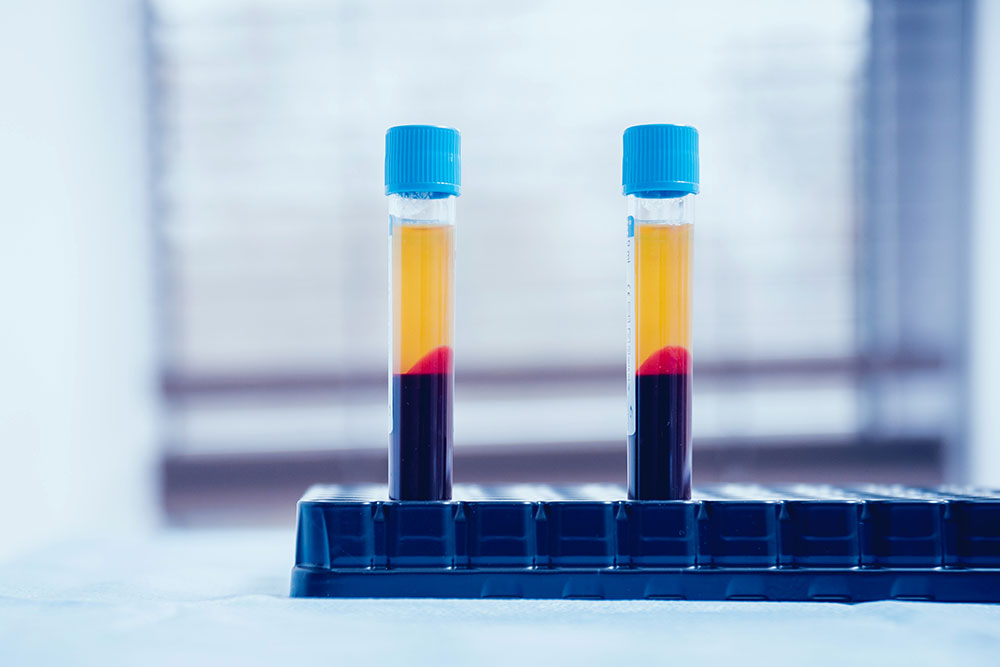
Diagnosis begins with your observations and a thorough physical examination. We assess gum color, check for bruising, listen to heart and lungs, and evaluate overall comfort and energy.
Core diagnostic tests include:
| Test | What It Reveals |
| Complete blood count (CBC) | Red blood cell and platelet numbers |
| Blood smear examination | Cell appearance, signs of immune destruction |
| Reticulocyte count | Whether bone marrow is responding |
| Chemistry panel | Organ function, bilirubin levels |
| Coombs test | Antibodies attached to red blood cells |
| Tick-borne disease testing | Identifies infection triggers |
Additional testing we may recommend:
- Urinalysis to check for blood and assess kidney function
- X-rays or ultrasound to look for underlying masses or organ changes
- Infectious disease screening based on risk factors
Our diagnostic services include in-house laboratory equipment that delivers results within minutes for urgent cases. This speed matters when we need to make rapid treatment decisions.
Investigating underlying causes is essential. Addressing root problems like tick infections or cancer can resolve the blood disorder entirely, while missing them means treatment may not work as expected.
How Are Autoimmune Blood Diseases Treated?
The goals of treatment are stopping the immune attack on blood cells and supporting your pet while counts recover. Many pets start with hospital care for stabilization, then transition home with close monitoring.
Treatment typically includes:
- Corticosteroids (like prednisone) as the foundation for suppressing the immune response
- Additional immunosuppressive medications when steroids alone aren’t enough or side effects are significant
- Supportive care including IV fluids, stomach protectants, and oxygen if needed
- Anti-clotting medications for IMHA patients at high thrombosis risk
- Blood transfusions for severe anemia to stabilize pets while medications take effect
Every treatment plan is individualized. Some pets respond quickly to a single medication and can taper over weeks to months. Others need combination therapy or longer treatment courses. We track lab results and clinical signs closely, adjusting doses to balance disease control with medication side effects.
What Does Recovery Look Like?
Many pets reach remission, meaning blood counts return to normal and remain stable. Some can eventually taper off medications entirely, while others need long-term low-dose therapy to prevent relapse.
Typical improvement timeline:
- First few days: Stabilization, stopping active destruction
- First week: Early signs of improvement in energy and appetite
- Two to four weeks: Blood counts trending toward normal
- Months: Gradual medication tapering if counts remain stable
Positive signs during recovery:
- Gums returning to healthy pink color
- Improved appetite and interest in food
- More energy and willingness to play
- Resolution of bruising or bleeding
- Easier, more comfortable breathing
Relapses can occur, especially if medications are reduced too quickly or underlying triggers weren’t fully addressed. Early recognition allows quick adjustments. During wellness and preventive care visits, we continue monitoring immune health and discussing any concerns.
How Can You Help Your Pet at Home During Treatment?
You’re a key partner in your pet’s recovery. Giving medications exactly as directed and monitoring closely makes a real difference.
Daily monitoring checklist:
- Check gum color morning and evening (should be pink, not pale or yellow)
- Look for new bruising, especially on belly and inner legs
- Note energy level and appetite
- Watch for any bleeding from gums, nose, or in waste
- Check urine and stool for blood
- Monitor breathing rate and effort
Warning signs requiring immediate contact:
- Sudden breathing difficulty or collapse
- Limb swelling or pain (possible blood clot)
- New or worsening bruising
- Pale or yellow gums
- Refusal to eat or drink
- Blood in urine, stool, or vomit
Practical tips for the recovery period:
- Use a medication calendar with checkboxes to track doses
- Keep activity calm and avoid rough play while platelets recover
- Provide fresh water readily (steroids increase thirst)
- Plan for more frequent bathroom breaks
- Keep a brief journal of daily observations to share at rechecks
If anything worries you, please don’t wait for your next appointment. Contact us right away. We’d much rather reassure you early than have problems escalate.
Frequently Asked Questions
What’s the difference between anemia and thrombocytopenia?
Anemia means low red blood cells, which affects oxygen delivery and causes weakness and pale gums. Thrombocytopenia means low platelets, which impairs clotting and causes bruising and bleeding. Some pets have both conditions simultaneously.
Is this curable?
Many pets reach remission and live normal lives. Some need ongoing medication to stay stable, and relapses can occur. With attentive care and monitoring, most pets do very well long-term.
How quickly should I seek care?
Immediately if you notice pale gums, unusual bruising, weakness, rapid breathing, or any bleeding. These conditions can progress quickly, and early evaluation significantly improves safety and outcomes.
Will my pet need a blood transfusion?
Severe anemia sometimes requires transfusion to stabilize pets while immunosuppressive medications take effect. Not every pet needs one, but having this option available can be lifesaving.
Can tick prevention help prevent IMHA?
Year-round tick prevention reduces exposure to tick-borne diseases that can trigger IMHA. While it won’t prevent all cases, eliminating this important risk factor is worthwhile, especially here in Kentucky where ticks are common.
Partnering for Your Pet’s Immune Health
Autoimmune blood diseases can be frightening, but prompt, expert care makes a real difference. Many pets recover fully and return to their normal happy selves with appropriate treatment and monitoring.
If you notice pale gums, unexplained bruises, weakness, or breathing changes, please reach out right away. You can request an appointment for prompt evaluation, or contact us to discuss your pet’s symptoms. At Commonwealth Animal Care in Lexington, we’re here to help, guide, and support you through diagnosis, treatment, and recovery. Your pet’s comfort and safety are our priority, and we’ll be your partners every step of the way.





Leave A Comment