

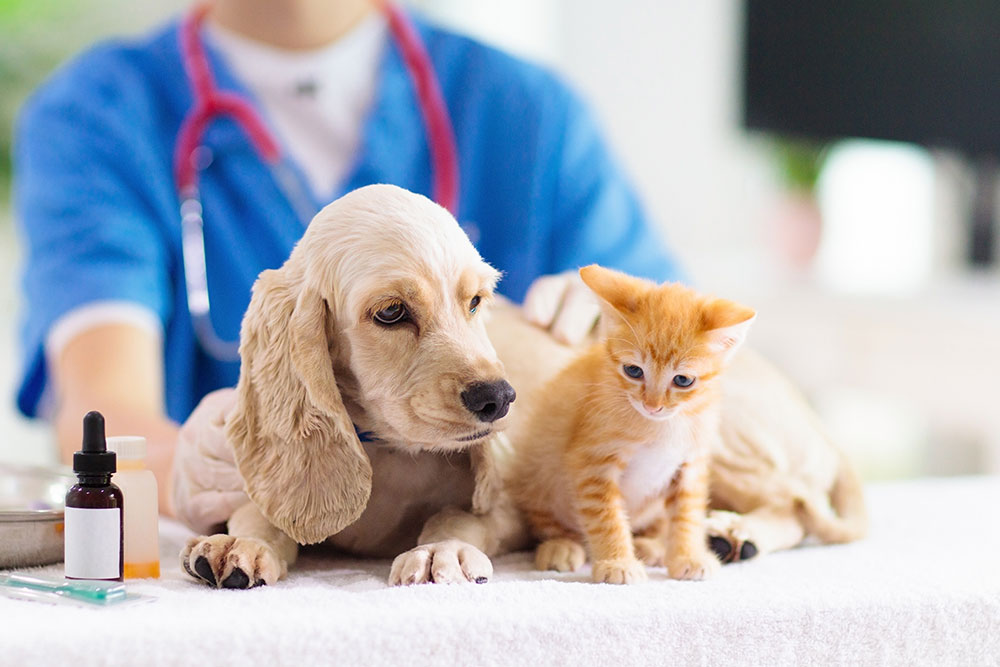
Protecting Young Pets (and Your Family) from Intestinal Parasites
There’s not much that grosses you out faster than seeing a worm in your new puppy or kitten’s vomit or stool, especially when it’s still alive and wiggling. Most of the time, though, you never see them, but that doesn’t mean they aren’t there.
Puppies and kittens can be born carrying roundworms or acquire parasites within the first days of life, and because many parasites shed intermittently or take weeks to show up in fecal testing, a single negative fecal exam is not a reliable guarantee that a young animal is clear. Repeating deworming at two- to three-week intervals during the first months of life closes the gaps that a single treatment would leave open. Deworming works best when it happens at the right intervals during the right developmental window, which is why a regular schedule is not optional, it’s actually the whole point.
At Commonwealth Animal Care in Lexington, KY, we approach preventive care with the same commitment to thoroughness that guides all of our clinical work. Our wellness and preventive care services include parasite screening and deworming as core components of puppy and kitten care, building the foundation for a long and healthy life. Reach out to us to schedule a new pet visit and get the parasite prevention plan right from the start.
Why Do Puppies and Kittens Need More Than One Deworming?
It’s a question worth asking directly: if one treatment kills the worms, why does the schedule keep going for months? The answer is in how parasites develop. A dewormer clears the adult worms present at the time of treatment. But larvae already migrating through body tissue are protected during that stage and aren’t eliminated until they mature into adults. By the time they do, the medication is long gone. Treating every two to three weeks catches each successive wave of developing parasites before they can reproduce and shed new eggs into the environment.
Intestinal parasites in young pets are the rule rather than the exception. Many puppies are infected before birth through maternal transmission, and kittens frequently acquire parasites through nursing. A pet that looks bouncy and bright-eyed can still be carrying a real worm burden. We build deworming directly into our puppy and kitten visit schedules so nothing is missed and timing is always appropriate for the pet’s age and weight.
The Cost of Waiting: Why Parasites Can’t Be Ignored
Young animals are particularly vulnerable because their immune systems are still developing. Parasites that an adult dog might handle with relatively mild symptoms can cause serious illness in a puppy or kitten whose body hasn’t yet built meaningful defenses.
The damage parasites cause isn’t always visible until it’s already significant. Chronic diarrhea, poor weight gain, a dull coat, and lethargy can all develop gradually while an owner assumes the pet just needs more time to settle in. By the time a pot-bellied puppy is visibly unwell, the parasite burden has been draining nutrients and disrupting gut function for weeks.
There’s also a household safety angle. Roundworms and hookworms are zoonotic, meaning they can infect people. Children who play in areas where infected pets defecate are at the highest risk, since roundworm larvae can migrate through human tissue and cause real health problems. Keeping young pets dewormed on schedule is genuinely a family health issue, not just a pet care checkbox. Our in-house diagnostics lab delivers fecal test results quickly so treatment can start without delay.
Which Parasites Are We Actually Talking About?
Roundworms and Hookworms: The Most Common Early Threats
Roundworms are the most frequently encountered parasites in puppies and kittens, and they’re often present from day one. They’re transmitted through the placenta before birth, through the mother’s milk, or by contact with contaminated environments. Signs of a significant burden include a visibly bloated abdomen, soft stools, poor coat condition, and occasionally worms visible in vomit or feces. Roundworm eggs are remarkably hardy and can remain infectious in soil for years, which is why reinfection remains a concern even after treatment.
Hookworms are less visible but arguably more dangerous. They attach to the intestinal lining and feed on blood, and in a small puppy or kitten, even a moderate infestation can cause anemia. Pale gums, weakness, and rapid fatigue are the hallmarks. Hookworms can also penetrate skin directly, so animals walking on contaminated ground are at ongoing risk. Our wellness visit schedule for new puppies and kittens is designed to address both parasites at the intervals most likely to clear them effectively.
Whipworms and Tapeworms: Secondary but Significant
Whipworms take up residence in the large intestine and tend to become more of a concern as puppies begin spending more time outdoors. Their lifecycle is longer than roundworms, and they cause intermittent, sometimes mucoid diarrhea and gradual weight loss. Because they shed eggs inconsistently, a single fecal test can miss them even when they’re present.
Tapeworms operate through an intermediary: a pet must ingest an infected flea to become infected. Segments that look like dried grains of rice appearing near the base of the tail or in bedding are often the first sign owners notice. Treating tapeworms alone without addressing the fleas means reinfection is nearly guaranteed. Our pharmacy carries flea and tick prevention for dogs and flea and tick prevention for cats to close that loop.
Coccidia and Giardia: The Microscopic Disruptors
Coccidia and giardia are single-celled protozoan organisms, not worms, but they’re worth discussing here because they’re extremely common in young pets and often come home with animals from shelters, rescues, or multi-pet breeding environments. Both cause watery diarrhea, dehydration, and impaired nutrient absorption. Both require specific testing to identify, since standard fecal flotation doesn’t reliably detect them. And neither is covered by the broad-spectrum dewormers used for roundworms and hookworms.
This is one of the most important reasons fecal testing matters as part of the early wellness series rather than just doing a round of deworming and assuming everything is handled. Our in-house diagnostics lab can run fecal exams quickly and accurately, and we partner with outside laboratories when more specialized testing is needed.
Why Fecal Testing Belongs in Every New Pet Visit
The relationship between fecal testing and deworming is complementary, not either/or. Testing tells you what’s present so treatment can be targeted. Deworming clears what the test found. Follow-up testing confirms the treatment worked.
Fecal testing methods vary in sensitivity. Routine flotation identifies eggs from roundworms, hookworms, whipworms, and coccidia. Giardia antigen tests or PCR panels catch what flotation misses. Knowing which test is appropriate requires knowing the pet’s history, where they came from, and what symptoms they’re showing. Some pets warrant more comprehensive testing from the start, particularly those from shelters, large group environments, or unknown backgrounds.
Testing also serves as a baseline. If a pet who was clear at 12 weeks shows up at the 16-week visit with a positive fecal, it tells you something about their ongoing exposure. Getting that information early means adjusting prevention and management before the problem compounds. We build fecal testing into the new pet visit sequence through our diagnostics lab so baseline testing happens at the right moments.
The Deworming Schedule: Week by Week
The Critical First Sixteen Weeks
The timing of deworming in the first weeks of life follows veterinary and public health guidance developed specifically around how common parasites develop. For most puppies and kittens, deworming should begin by four weeks of age, and continue every two weeks until at least 16 weeks of age or until the fecal tests are negative.
The two-week interval exists because larvae take approximately two to three weeks to mature into adults that dewormers can kill. Treating at each interval prevents those maturing parasites from reproducing and perpetuating the cycle. A single treatment at 8 weeks misses everything that’s still developing at that moment. Our puppy and kitten wellness program aligns these deworming intervals with vaccine visits so each appointment accomplishes multiple things without requiring extra trips.
Building Long-Term Protection After the Puppy and Kitten Phase
Year-Round Prevention Is the Standard
Monthly preventive medications are now the baseline recommendation for dogs and cats, and most products combine heartworm protection with coverage for common intestinal parasites in a single monthly dose. The reasoning behind year-round parasite prevention goes beyond convenience: parasite eggs and larvae survive in soil and on surfaces through Kentucky winters, and heartworm-carrying mosquitoes are active far longer in this region than many people assume.
Heartworm prevention is particularly important as puppies and kittens reach the age when they can safely start preventives. Heartworm disease is transmitted by mosquitoes, is serious, and is entirely preventable with consistent monthly medication. Regional parasite prevalence data shows Kentucky as a consistent heartworm zone year-round. Our pharmacy carries heartworm prevention for dogs and heartworm prevention for cats to keep both species covered, and heartworm prevention also takes care of a number of intestinal parasites.
Fecal Testing Remains Important Even on Prevention
Monthly preventives significantly reduce the risk of intestinal parasite infections, but they don’t provide 100% coverage for every organism. Giardia, coccidia, tapeworms, and whipworms either aren’t covered or are only partially addressed by most standard preventives. That’s why annual fecal testing is still recommended for adult pets even when prevention is being given consistently, and why twice-yearly testing makes sense for pets with higher exposure risk.
Some infected pets show no signs whatsoever. Fecal testing with our diagnostics lab is the only reliable way to catch those subclinical infections before they become bigger problems or spread to other animals or people in the household.
How Your Pet’s Lifestyle Shapes Their Parasite Risk
Not every pet faces the same level of exposure, and prevention plans should reflect that. Higher-risk situations include:
- Regular outdoor access, especially to wooded areas, parks, or places where other dogs congregate
- Hunting or scavenging behavior in dogs
- Multi-pet households, particularly when animals come and go
- Boarding, grooming, or dog park visits
- History of coming from a shelter, rescue, or breeding facility with multiple animals
Lower-risk pets, like a senior indoor cat with no contact with other animals, may not need the same testing frequency as a young dog who runs off-leash around livestock daily. The goal is a plan that fits the pet’s actual exposure rather than a one-size recommendation. Your wellness visit is the right time to walk through those variables and build something realistic.
Protecting Your Family as Well as Your Pet
Parasite prevention isn’t just about the animal. Several parasites that infect dogs and cats can also affect people, and zoonotic parasites are a genuine concern in households with young children. Roundworm larvae can migrate through human tissue and, in rare cases, affect vision. Hookworm larvae can penetrate skin. Giardia can cause gastrointestinal illness in people exposed to contaminated surfaces or water.
Practical household habits that reduce risk:
- Pick up pet waste promptly from the yard and on walks
- Wash hands after handling pets, especially before meals
- Keep sandboxes covered when not in use
- Supervise young children’s hand hygiene around pets
- Keep all pets in the household on consistent prevention
What Happens at a Deworming Appointment
Deworming visits are low-key and efficient, especially when built into regular puppy and kitten wellness visits. Each appointment includes a weight check to ensure accurate dosing, a brief physical examination assessing coat quality, gum color, and overall condition, and fecal testing to identify what’s actually present so treatment is targeted rather than assumed. Medication is selected based on the pet’s age, weight, and test results, with options including oral liquids for very young animals, chewable tablets, and topical formulas for pets who resist oral medication.
After treatment, mild soft stool for a day or two is normal, and passing worms in the feces isn’t abnormal. Reach out to our team if your pet has persistent vomiting, severe or prolonged diarrhea, or seems significantly lethargic after treatment. Contact us if you have concerns.

FAQ: Deworming Puppies and Kittens
How will I know if my puppy or kitten has worms?
Common signs include a swollen belly, loose or mucoid stools, vomiting, low energy, and a dull or rough coat. Some pets will pass visible worms. However, many infected animals show no symptoms at all, which is why scheduled deworming and fecal testing are done regardless of how the pet appears.
If we’re already using monthly prevention, why does my pet still need a fecal test?
Monthly preventives don’t cover every parasite. Giardia, coccidia, and in some cases whipworms aren’t reliably eliminated by standard preventive products. Annual testing through our diagnostics lab confirms that the prevention is working and catches anything it doesn’t cover.
Starting Your Pet’s Healthy Life Off Right
The early weeks and months of a puppy or kitten’s life set the foundation for everything that comes after, and parasite prevention is one of the highest-value investments you can make in that foundation. Deworming consistently, testing at the right intervals, and transitioning to long-term monthly prevention gives young animals the clean start they deserve.
At Commonwealth Animal Care, we care for your pet the way we’d want our own cared for: thoroughly, proactively, and with clear communication every step of the way. If you have a new puppy or kitten, or a young pet who hasn’t been on a structured parasite prevention protocol, we’d love to help you get that sorted. Request an appointment online or call us at (859) 800-5209, and let’s build a plan that works.


Leave A Comment