

Is Your Pet Squinting? A Vet’s Guide to Common Eye Problems
Eye issues in pets can appear suddenly and cause understandable worry for any owner. One day your dog is running across the yard without a care, and the next, they’re squinting, pawing at their eye, or rubbing their face on the carpet. At Commonwealth Animal Care in Lexington, Kentucky, the goal is to help pet owners recognize eye problems early, understand what to look for, and know how to act to protect their pet’s comfort and vision.
Why Eye Health Should Never Be Overlooked
A pet’s eyes can reveal important clues about their overall health. Issues like infections, allergies, or underlying conditions often show up first in the eyes. While some problems are minor, others can be serious and may lead to permanent vision loss if not treated promptly. Because pets can’t communicate discomfort, it’s up to owners to recognize early signs of vision changes and take action quickly.
Eye Health Warning Signs: What to Watch For
Recognizing vision issues early can lead to more effective treatment. Common signs of eye problems in pets include:
- Red or swollen eyelids
- Discharge that is clear, yellow, green, or bloody
- Frequent squinting or blinking
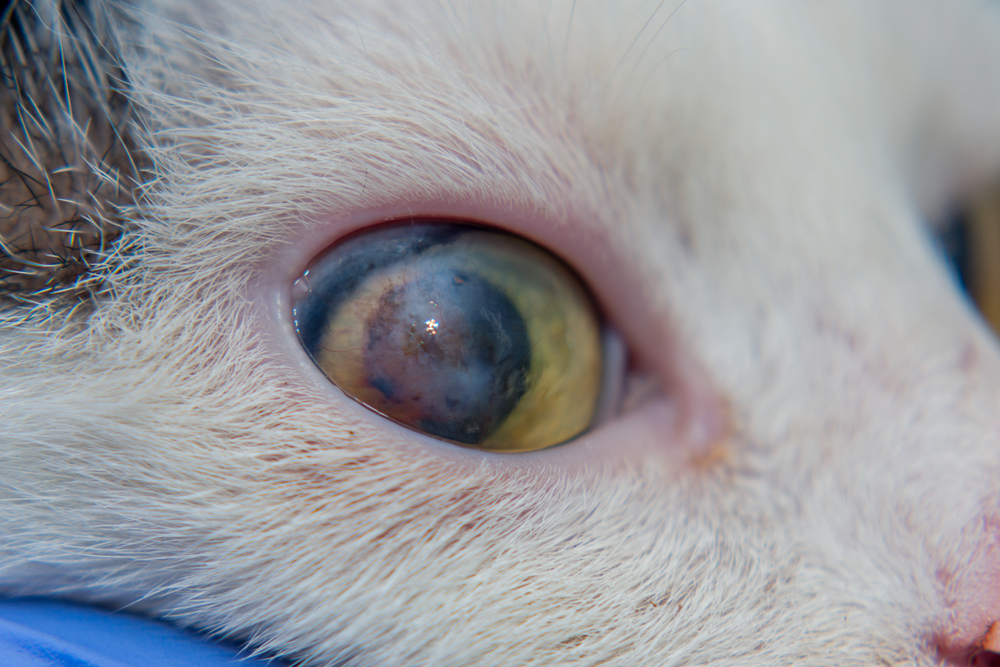
- Cloudiness or bluish appearance of the cornea
- Pawing at the eyes or rubbing the face
- Sudden bumping into furniture or hesitating on stairs
Some eye conditions develop slowly, while others need urgent care. Knowing the difference is crucial.
Common Eye Conditions in Pets
Understanding what might be wrong can help owners make timely decisions. The following are eye conditions commonly seen in dogs and cats:
Conjunctivitis (Pink Eye)
This inflammation of the eye’s lining may be caused by allergies, bacteria, or irritants. Typical signs include redness, discharge, and squinting.
Corneal Ulcers
A scratch or abrasion on the eye’s surface can become infected if untreated. Corneal ulcers are painful and can worsen fast.
Cherry Eye
This occurs when a gland in the third eyelid slips out of place, appearing as a red bulge in the corner of the eye. Surgical repair is often needed to prevent chronic irritation.
Glaucoma
Excess fluid in the eye raises pressure, causing pain and risking blindness. Symptoms can include a swollen or bulging eye, cloudiness, or changes in pupil size.
Pannus
This condition causes a film to spread over the cornea, leading to vision loss if untreated. It is more common in breeds like German Shepherds.
How Eye Issues Are Diagnosed
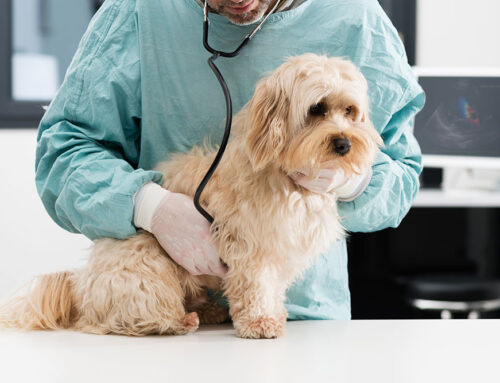
A thorough exam is vital. Here’s what an veterinary eye visit may include:
- Full physical exam focusing on eye structure, eyelids, and facial symmetry
- Fluorescein stain test to check for corneal ulcers
- Tonometry to measure intraocular pressure (important for glaucoma detection)
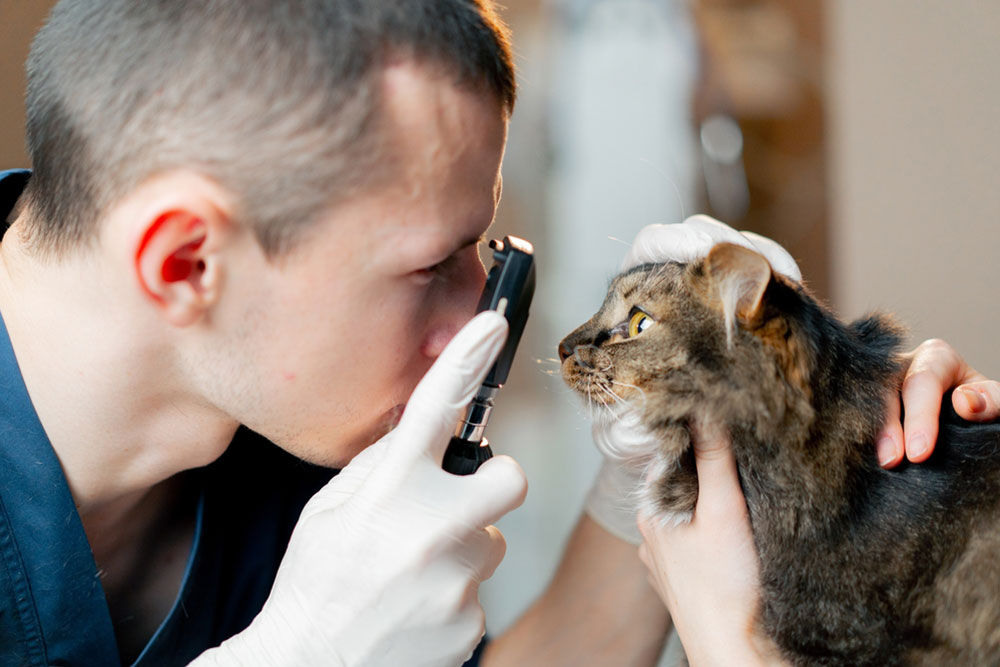
- Detailed look at the lens and retina with an ophthalmoscope
- Lab tests or imaging if infection or hereditary conditions are suspected
Treatment Options for Eye Conditions
Pet eye care plans depend on what a veterinarian discovers during an exam, but common treatments include:
- Medications such as antibiotic eye drops, lubricants, or pain relief
- Surgery to correct issues like cherry eye or eyelid disorders
- Managing chronic issues at home with prescribed medications, environmental changes, and regular checkups
Administering pet eye medications properly is critical for recovery. We know it can seem daunting to put eye drops in a crazy cat or rambunctious puppy. Never hesitate to ask our team for eye medication application tips if you need help.
Daily Life with a Pet Who Has Vision Changes
When vision loss occurs, pets often adapt well with a little extra help. These simple tips can maintain a pet’s confidence and comfort:
- Avoid moving furniture around
- Use voice cues to guide your pet through the house
- Add rugs or textured mats as markers for rooms or stairs
- Keep clutter out of walking paths
- Be consistent with medications, even if symptoms improve
Preparing for an Eye Exam with Our Veterinary Team
Before visiting the clinic, gather the following information:
- A list of any current medications or supplements
- Photos or videos showing any eye changes
- Notes about when your pet’s eye symptoms started
- Any past eye health records from other veterinary practices
Frequently Asked Questions About Pet Eye Health
How can I tell if my pet is in pain?
Some common signs of eye pain include squinting, pawing at the eyes, reduced appetite, hiding, or changes in behavior.
Do some breeds have more eye problems?
Yes. Flat-faced dogs and cats, or breeds with prominent eyes like Pugs and Persians, may be more prone to injuries and chronic conditions.
Can eye conditions spread to humans?
Most do not, but certain infections can. Wash hands after administering drops or cleaning discharge.
How often should my pet’s eyes be checked?
Annual exams help catch subtle problems early, but any sudden changes should be checked promptly.
Your Pet’s Vision Deserves Expert Care
Protecting a pet’s eyes ensures they see the world clearly and comfortably. If something seems off, give us a call. Early care makes all the difference! The team at Commonwealth Animal Care is here to guide you through your pet’s diagnosis, treatment, and long-term vision health.

Leave A Comment