

Breed-Specific Health Risks Every Pet Owner Should Know
Have you ever wondered why your veterinarian asks detailed questions about your dog’s breed during routine visits? Or why certain breeds require more frequent screening for conditions like hip dysplasia or heart murmurs? The answer lies in genetics: the very traits that make your pet unique- their distinctive face shape, luxurious coat, or characteristic build- can also predispose them to specific health conditions.
At Commonwealth Animal Care, we design every care plan around your pet’s individual needs and breed profile. Our wellness and preventive care services focus on early detection, utilizing advanced diagnostics and compassionate guidance to keep your dog or cat thriving through every life stage.
Understanding Breed-Related Health Problems
Selective breeding has created the remarkable variety of dogs and cats we cherish today- but this specialization comes with trade-offs. Certain physical traits that define a breed can increase susceptibility to genetic or structural health conditions.
Large breeds often face joint problems and specific types of heart disease, while smaller breeds may experience dental crowding, liver shunts, or tracheal collapse. Some dog breeds with highest risk of health problems include Bulldogs, German Shepherds, Golden Retrievers, and Poodles. However, every breed- and every individual pet- benefits from a proactive health plan that considers their unique genetics, environment, and lifestyle.
Understanding which risks apply to your pet allows your veterinarian to customize screening schedules and preventive strategies. We often perform breed-specific wellness exams that include orthopedic assessments, cardiac auscultation, eye examinations, and genetic screenings. This comprehensive approach helps identify potential problems long before symptoms appear, giving us the best chance for successful intervention.
Respiratory Challenges in Flat-Faced Breeds
Brachycephalic (flat-faced) breeds like Pugs, Bulldogs, French Bulldogs, and Shih Tzus have captured hearts worldwide with their distinctive appearance. However, their shortened skulls create anatomical challenges that can significantly impact breathing and reproduction.
Brachycephalic Obstructive Airway Syndrome affects many flat-faced dogs, causing symptoms like excessive snoring, rapid fatigue, exercise intolerance, and breathing difficulties. These issues stem from narrowed nostrils, elongated soft palates, and sometimes collapsed airways.
Female brachycephalic dogs face additional birthing difficulties due to their unique anatomy, often requiring cesarean sections for safe delivery. For these breeds, weight management, avoiding overheating, and regular airway evaluations are essential preventive measures.
Our surgical services include airway correction procedures and c-sections when necessary. We ensure your pet’s comfort and safety through comprehensive anesthetic monitoring and detailed post-operative care plans. We also educate owners on recognizing early warning signs of respiratory distress- such as noisy breathing, reluctance to exercise, or bluish gums- so you can seek care before a crisis develops.
Allergies and Medication Sensitivities
Environmental and food sensitivities vary significantly by breed. Golden Retrievers and Labrador Retrievers show much higher rates of environmental allergies compared to other breeds. These allergies often manifest as chronic ear infections, itchy skin, and paw licking.
Herding breeds- including Collies, Australian Shepherds, and Shetland Sheepdogs- may carry the MDR1 gene mutation, which dramatically affects how they metabolize certain medications. Dogs with this mutation can experience severe, potentially fatal reactions to commonly used drugs like ivermectin, loperamide, and some anesthetics.
Our veterinarians can recommend appropriate genetic testing to prevent adverse drug reactions and develop safe treatment protocols tailored to your pet’s genetic profile. For pets with environmental allergies, we offer comprehensive allergy testing, immunotherapy options, and management strategies to improve their comfort and quality of life.
Musculoskeletal and Neurological Disorders
Mobility and coordination disorders often develop gradually and vary by breed size and conformation. Early recognition and intervention can significantly improve outcomes and maintain quality of life.
Large and giant breeds face unique challenges:
- Dobermans and Great Danes may develop Wobbler Syndrome, a spinal cord compression condition causing unsteady, wobbly walking
- German Shepherds show increased susceptibility to Degenerative Myelopathy, a progressive disease causing hind-limb weakness and eventual paralysis
- Retrievers and Rottweilers benefit from early screening for hip and elbow dysplasia, which can prevent pain and preserve mobility
Long-backed breeds, particularly Dachshunds and Basset Hounds, frequently suffer from Intervertebral Disc Disease (IVDD). This painful condition occurs when spinal discs herniate, potentially causing paralysis if untreated.
Certain breeds, including Beagles and Dachshunds, show higher rates of epilepsy, requiring careful diagnosis and ongoing seizure management.
At Commonwealth Animal Care, we emphasize early intervention through advanced imaging, multimodal pain management, and customized exercise plans. Our diagnostics team performs assessments to evaluate spinal health and mobility concerns. We also guide pet parents in preventive strategies: maintaining healthy weight, using ramps for small or long-backed dogs, providing joint supplements, and implementing appropriate physical therapy exercises.
Cardiovascular and Circulatory Conditions
Heart and blood vessel diseases follow distinct breed patterns, making awareness crucial for early detection and management.
Small breeds face specific cardiac risks:
- Cavalier King Charles Spaniels and Chihuahuas commonly develop Mitral Valve Disease, where heart valves deteriorate over time, leading to heart failure
Large breed cardiac concerns include:
- Dobermans show elevated risk for dilated cardiomyopathy, where the heart muscle weakens and enlarges
- Boxers are predisposed to dangerous cardiac arrhythmias that can cause sudden collapse or death
Among cats, Maine Coons and other large breeds commonly develop hypertrophic cardiomyopathy, where the heart walls thicken abnormally.
Understanding your pet’s breed predisposition and performing screening tests before symptoms appear can extend their life by years. Early intervention with medications, therapeutic diets, and lifestyle modifications can slow disease progression and maintain heart function throughout your pet’s life.
Gastrointestinal and Internal Organ Diseases
Digestive and metabolic conditions also cluster by breed, requiring vigilance and preventive care.
Gastric emergencies: Deep-chested dogs- including Great Danes, Irish Setters, Weimaraners, and German Shepherds- face elevated risk of Gastric Dilatation-Volvulus (GDV or bloat). This life-threatening emergency occurs when the stomach fills with gas and twists on itself, cutting off blood supply. GDV requires immediate surgical intervention.
Pancreatic disease: Miniature Schnauzers, along with Cocker Spaniels and Poodles, show increased susceptibility to pancreatitis, a painful inflammatory condition that can become chronic without proper management.
Liver conditions: Very small dogs- Yorkies, Maltese, and “teacup” breeds- are more likely to have portosystemic shunts, abnormal blood vessels that bypass the liver, causing toxin buildup and poor growth.
Kidney disease: Persian cats and related breeds face higher risk of polycystic kidney disease, where fluid-filled cysts gradually destroy kidney function.
Diabetes: Miniature Schnauzers and Burmese cats show breed predisposition to diabetes mellitus, requiring lifelong management with insulin and dietary modifications.
Our nutritional counseling and wellness programs help manage weight, support digestive health, and monitor chronic conditions to optimize quality of life. We provide detailed guidance on feeding schedules, portion control, and targeted supplements based on your pet’s breed metabolism and life stage needs.
Dental and Eye Issues by Breed
Smaller breeds- including Yorkies, Chihuahuas, and Toy Poodles- commonly experience overcrowded teeth and accelerated plaque accumulation. These toy breed dental issues can lead to painful gum disease, tooth loss, and infections that affect overall health. Regular professional cleanings combined with consistent at-home care are essential for prevention.
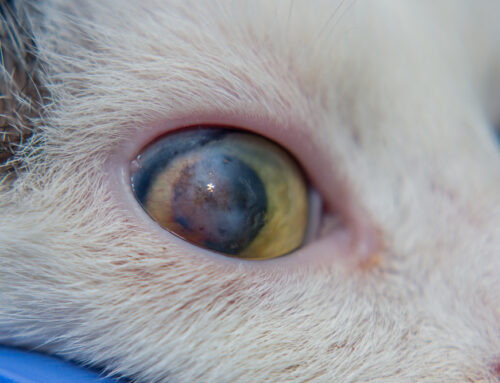
Eye health varies significantly by breed. Many inherited conditions can compromise vision if left undetected:
- Progressive Retinal Atrophy causes gradual vision loss in many breeds, both dogs and cats
- Cataracts cloud the lens, leading to blindness without surgical intervention
- Breeds with excess facial skin- Shar Peis, Bulldogs, and some Great Danes- suffer from entropion, where eyelids roll inward, causing the lashes to abrade the cornea
Regular screenings help identify these hereditary eye diseases before vision loss becomes permanent.
At Commonwealth Animal Care, comprehensive dental and ophthalmic examinations during annual wellness visits detect problems early, ensuring your pet’s comfort and preserving their vision. We provide high-quality dental cleanings under safe anesthesia to prevent oral disease from affecting your pet’s entire body.
Hereditary Cancers and Tumor Risks
Cancer susceptibility follows family lines, with certain breeds showing dramatically higher incidence of specific malignancies.
Large breed cancers:
- Golden Retrievers and Boxers face elevated risk of hemangiosarcoma, an aggressive cancer affecting blood vessel walls, often in the spleen or heart
- Boxers and Boston Terriers develop mast cell tumors more frequently than other breeds
- Golden Retrievers and Bernese Mountain Dogs show higher rates of lymphoma, a cancer of the immune system
- Giant breeds- Great Danes, Irish Wolfhounds, and Saint Bernards- are predisposed to osteosarcoma, an aggressive bone cancer
Our clinic provides advanced diagnostic imaging and laboratory testing to identify abnormalities early, giving your pet the best opportunity for effective treatment. We recommend breed-targeted screening programs- such as regular abdominal ultrasounds for at-risk breeds- to detect cancer before it spreads. Early detection significantly improves treatment outcomes and survival rates.
Genetic Disease Screening and DNA Testing
Modern genetic testing empowers pet owners with actionable information about their companion’s health risks. Several options for testing your pet’s DNA now exist, making this valuable tool accessible to all pet owners.
For dogs: Wisdom Panel and Embark offer comprehensive panels that identify breed composition and screen for common genetic diseases. These tests can reveal carrier status for conditions like hip dysplasia, progressive retinal atrophy, and various metabolic disorders.
For cats: Basepaws provides breed identification and health screening tailored to feline genetics.
Understanding your results is crucial: testing positive for a genetic marker doesn’t guarantee your pet will develop that condition. Rather, it identifies elevated risk, empowering you to implement targeted prevention strategies. For example, a Corgi testing positive for IVDD susceptibility could potentially avoid the disease entirely through diligent weight management, preventing jumping from heights, and core-strengthening exercises. Similarly, a dog with genetic predisposition to certain cancers warrants more frequent lump checks and early diagnostic workups.
DNA testing provides a roadmap for personalized preventive care based on your pet’s specific genetic makeup, allowing you to be proactive rather than reactive in protecting their health.
Building a Proactive Care Plan for Your Pet
Every dog and cat deserves individualized care that recognizes their unique strengths and vulnerabilities. Understanding breed-specific health risks empowers you to make informed decisions about nutrition, exercise, environmental modifications, and preventive screening schedules.
At Commonwealth Animal Care, we combine advanced diagnostics, cutting-edge technology, and compassionate, collaborative care to help every pet live the longest, healthiest, happiest life possible. Our team is committed to partnering with you, providing clear communication, and respecting the deep bond you share with your companion.
Schedule your pet’s next wellness exam or appointment today. Let us help you build a foundation of good health that will serve your best friend throughout their lifetime.


Leave A Comment