


Heart Failure Treatment Explained: Why Your Pet Needs Multiple Medications
When a pet parent hears for the first time that their dog or cat has heart disease, it is completely natural for worry and questions to rush in at once. Many families feel overwhelmed by unfamiliar medication names and what they might mean for their pet’s future. At Commonwealth Animal Care, we take time to meet families in that moment with compassion, clarity, and a plan. With advanced tools in our diagnostics and a collaborative medical team, we focus on understanding exactly how the heart is functioning so we can guide you toward treatments that protect your pet’s comfort and quality of life.
Because we live to care, our team believes that knowledge helps lighten the weight of a new diagnosis. We explain how medications work, what to expect as treatment begins, and how we support you through every stage of care. If you have questions about your pet’s heart health or are noticing new symptoms, scheduling a visit through our wellness and preventive care or reaching out on our contact page is a helpful first step in making sure your pet receives the attentive care they deserve.
Common Heart Conditions in Pets That Call for Medication
Heart disease in pets can develop with age or stem from conditions they’re born with. Either way, the heart’s ability to pump blood efficiently becomes compromised over time. Treatment often includes a combination of medications to support circulation, reduce strain on the heart, and manage symptoms.
In dogs, mitral valve disease is one of the most frequently diagnosed heart conditions, especially in smaller breeds. For cats, forms of cardiomyopathy are more common, including hypertrophic cardiomyopathy, dilated cardiomyopathy, and restrictive cardiomyopathy.
Some pets are diagnosed with congenital heart disorders, meaning the condition is present at birth. Other structural issues like patent ductus arteriosus can be found during early screenings.
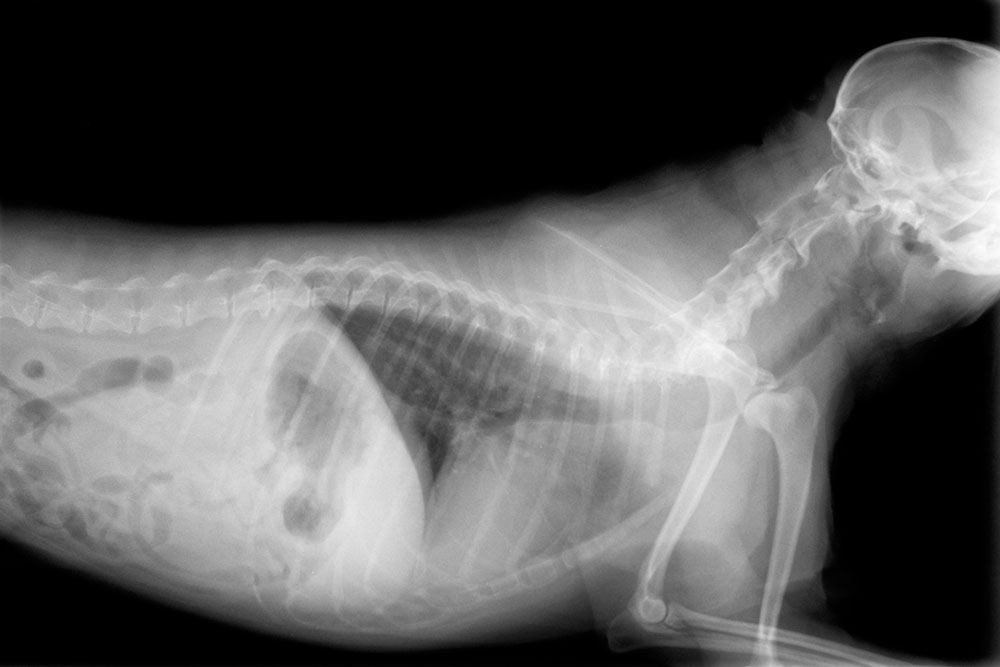
We use in-house diagnostics like ultrasound, X-rays, and lab work to identify heart changes quickly, so we can start treatment before the disease progresses. Our digital radiography provides clearer images of heart size and shape, while ultrasound allows us to evaluate heart structure, blood flow, and valve function in real time. If your pet hasn’t had a checkup in a while or you’re noticing any changes, request an appointment to begin a cardiac evaluation.
Signs Your Pet May Have a Heart Problem
The symptoms of heart disease aren’t always obvious at first. But knowing what to watch for helps you catch issues early. Recognizing heart disease signs early can make a significant difference in treatment outcomes.
Some of the more common signs in dogs and cats include:
- Coughing, especially at night or after activity
- Difficulty breathing or rapid breathing at rest
- Decreased energy or interest in play
- Reduced ability to exercise, where dogs who once enjoyed long walks now tire quickly or ask to stop sooner
- Swollen abdomen
- Fainting or collapsing episodes
- Gums that appear pale or bluish- a condition called cyanosis
In cats, changes may be subtle. You might see panting in cats, sudden hiding, appetite loss, or difficulty walking. A heart murmur may be the first sign picked up during a wellness exam.
Irregular rhythms like cardiac arrhythmias or conditions such as sick sinus syndrome can also present with sudden weakness or collapse.
If you’re seeing any of these changes, we encourage you to schedule a visit to begin a full evaluation.
How We Diagnose Heart Disease
Accurate diagnosis is the foundation of effective treatment. We use several diagnostic tools to get a complete picture of your pet’s heart health and determine which medications will be most beneficial.
Echocardiography
Echocardiograms use ultrasound technology to visualize your pet’s heart in real time. This non-invasive test allows veterinarians to measure chamber size, assess valve function, evaluate blood flow, and determine how efficiently the heart is pumping. These detailed images help us identify specific conditions and tailor medication plans to your pet’s unique needs.
Electrocardiography
Electrocardiograms (EKG) record the electrical activity of the heart, helping us identify rhythm abnormalities that may require specific medications. This quick, painless test provides valuable information about heart rate and rhythm patterns.
Additional Diagnostic Tools
Our digital radiography reveals heart size and shape changes, as well as fluid accumulation in the lungs. Physical examinations help us detect heart murmurs and other abnormalities through careful listening. Combined with bloodwork from our in-house laboratory, these tools provide comprehensive cardiac assessments and help us monitor how well treatment is working over time.
Through our diagnostics services, we can perform most testing right here, giving you answers quickly and starting treatment sooner.
Recognizing Congestive Heart Failure Warning Signs
Congestive heart failure occurs when the heart can no longer pump blood effectively enough to meet the body’s needs. This leads to fluid accumulation in the lungs, abdomen, or both. Understanding these warning signs helps you recognize when your pet needs urgent care:
- Increased breathing rate at rest (over 40 breaths per minute while sleeping)
- Labored breathing or open-mouth breathing, especially concerning in cats
- Coughing that worsens at night or when lying down
- Blue or pale gums indicating poor oxygen delivery
- Weakness or collapse
- Distended abdomen from fluid buildup
- Sudden loss of appetite or weight changes
Respiratory distress is always an emergency. If your pet shows labored breathing, gasping, or extreme restlessness combined with breathing changes, contact us immediately. Early intervention during CHF episodes can stabilize your pet and prevent life-threatening complications.
Many pets live comfortably for months or years with proper CHF management through medications, monitoring, and supportive care. The key is recognizing changes quickly and working closely with our team to adjust treatment as your pet’s needs evolve.
Pimobendan: A Key Medication for Canine Heart Disease
Pimobendan is one of the most widely used and effective medications for dogs with heart disease. It strengthens the heart’s contractions and relaxes the blood vessels, making it easier for the heart to circulate blood. This helps reduce the symptoms of heart failure and slows the progression of the disease.
It’s commonly prescribed for dogs with mitral valve disease and other conditions like dilated cardiomyopathy. Your dog may be started on pimobendan even before symptoms begin, if diagnostic imaging shows early structural changes.
Diuretics: Relieving Fluid Buildup
When heart disease leads to fluid accumulation in the lungs or belly, it can quickly become uncomfortable or dangerous. Diuretics help remove that fluid so your pet can breathe more easily and feel better. Furosemide is the most commonly prescribed diuretic and often works quickly. Other medications like spironolactone may be added for pets who need extra support or longer-term fluid control.
Diuretics are powerful, and their effectiveness depends on precise dosing and monitoring. That’s why our in-house laboratory performs bloodwork to evaluate kidney function and electrolyte balance, often delivering results within minutes so we can make timely treatment decisions.
ACE Inhibitors: Supporting Long-Term Heart Health
ACE inhibitors, such as enalapril or benazepril, are another important class of cardiac medications. They help lower blood pressure, reduce fluid retention, and make it easier for the heart to function. In pets with systemic hypertension, ACE inhibitors help protect organs from damage caused by high blood pressure.
These medications are often used alongside pimobendan and diuretics to offer a more complete approach to heart disease. Dosing is typically once or twice daily, and we’ll monitor bloodwork regularly to make sure your pet’s kidneys and electrolytes stay in a safe range.
Other Medications That May Be Prescribed
Some pets with rhythm disturbances or specific heart conditions may benefit from beta-blockers such as atenolol. These medications slow the heart rate, reduce oxygen demand, and help manage arrhythmias.
They may be prescribed for cats with hypertrophic cardiomyopathy or dogs experiencing abnormal rhythms. Other antiarrhythmic drugs may be added when needed, depending on what our diagnostics reveal. As always, careful monitoring is essential. Some pets may experience lower energy or blood pressure, and we’ll help you understand what’s normal and when to call.
No two pets respond exactly the same to heart medications. Our team takes time to customize therapy based on your pet’s condition, symptoms, and how they respond to treatment. Most pets with heart disease do best on a combination of medications, each working in a different way. Adjustments may be needed over time, especially as the disease progresses. By building strong relationships with our clients and focusing on communication, we’re able to provide the consistency and care these cases require.
Home Monitoring and When to Adjust
At home, we may ask you to monitor your pet’s resting respiratory rate, appetite, activity, and weight. These details help us decide if the diuretic dose is still working or needs a change. Counting resting breaths is one of the most important things you can do at home:
- Count breaths per minute once daily while your pet is asleep
- Under 30 per minute is typical; over 40 can signal worsening fluid
- If rates climb, contact us right away
Look for other signs like:
- Labored breathing
- Loss of appetite
- Lethargy or weakness
- Excessive thirst or urination
- Sudden weight gain indicating fluid retention
As the disease progresses, diuretic doses may need to be increased or medications changed. That’s why close follow-up with our medical team is essential. If you’re seeing changes in how your pet is doing, reach out so we can check in and make any necessary adjustments.
Can Exercise Help My Pet’s Heart?
While it might seem surprising, appropriate exercise can actually benefit pets with heart disease when done correctly. The key is matching activity levels to your pet’s individual condition and disease stage.
For dogs with early or well-managed heart disease, gentle, regular activity helps maintain muscle tone, supports healthy weight, improves circulation, and enhances quality of life. Heart-healthy exercise includes:
- Short, leisurely walks at your dog’s pace
- Gentle swimming in warm water if your pet enjoys it
- Slow-paced play sessions avoiding overexertion
- Indoor activities on days when weather or symptoms make outdoor exercise difficult
Stop if your dog shows fatigue, increased breathing, coughing, or reluctance to continue. Avoid strenuous exercise, hot or humid conditions, and activities causing excitement or stress. Multiple short sessions throughout the day often work better than one longer walk.
For pets with advanced heart disease or those showing symptoms, exercise should be very limited and focused on gentle movement for bathroom needs and light mental stimulation. Always discuss exercise plans with our team. We’ll help create safe activity guidelines based on your pet’s specific condition, medications, and current symptoms, adjusting recommendations at each recheck visit.
Finding the Right Mix of Heart Disease Medications
Your pet’s heart medication plan will likely evolve. That’s not a sign of failure- it’s a sign of attentive, responsive care. Our role is to help you navigate those changes, assess how your pet is doing, and ensure they get the benefit of the best available heart disease medications at every stage.
We encourage you to keep a journal or notes about appetite, breathing, and activity. Small changes matter, and your observations help guide our medical decisions.
Answers to Common Questions
Why is my pet suddenly breathing faster?
Faster breathing at rest often means fluid is building up. Count breaths per minute while your pet sleeps; over 40 is concerning. Contact us right away.
Do heart medications have to be given forever?
Most heart medications are long-term. We adjust dosing over time to keep your pet comfortable with the fewest necessary medications.
What if I miss a dose?
Give it when you remember if it’s within a few hours; otherwise, skip and continue the normal schedule. Don’t double up unless we’ve specifically advised it.
Can diet or gentle exercise help?
Yes, balanced nutrition and calm, low-intensity activity often help. We’ll guide you on safe limits based on your pet’s condition.
Your Partner in Heart Health
Heart disease is serious, but there is so much we can do to improve your pet’s comfort, quality of life, and time with your family. With modern medications and a committed veterinary team, there’s hope in every treatment plan.
At Commonwealth Animal Care, we prioritize your pet’s well-being- and yours. If you’re seeing concerning signs or need help managing a current diagnosis, contact us or request an appointment. We’re honored to be part of your pet’s care journey, every step of the way.


Leave A Comment